
"Engineered for excellence, designed to consistently outperform and outlast mass-produced alternatives"
 Need help choosing?
 Help@HaleFlow.com | 412-848-5058
 Concerned about installation?
 Hire a local installer
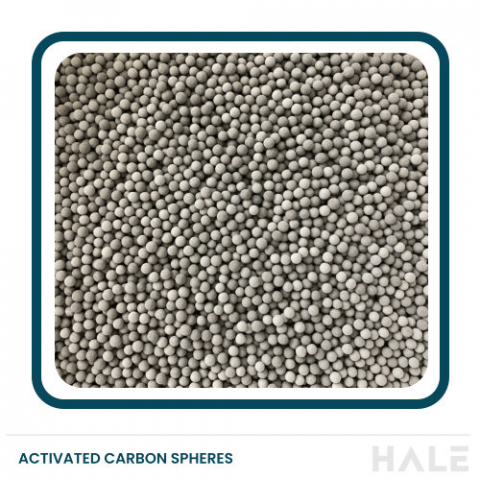
Activated Carbon Spheres
What Does Activated Carbon Adsorb?
Organic Compounds
highly effective at removing organic contaminants:
-
Pesticides & herbicides (Atrazine, Glyphosate (Roundup), 2,4-D)
-
Volatile Organic Compounds (VOCs) – solvents, fuels, industrial chemicals (Benzene, Toluene, Xylene,
Formaldehyde, Acetone, Petroleum hydrocarbons). Pharmaceutical Residues (Antibiotics, Hormones (estrogen, BPA), Painkillers (ibuprofen, acetaminophen)) -
Disinfection byproducts like Trihalomethanes (THMs) and Haloacetic acids (HAAs)
-
Chlorine-based compounds (sodium hypochlorite, chloramines)
-
Ozone (O₃) – breaks down organic contaminants
-
Total Organic Carbon (TOCs) – decaying plant/animal matter
-
Removes chlorine taste and odor from water.
While not all heavy metals bind easily, activated carbon can adsorb:
-
Mercury
-
Lead (Pb) – especially when combined with other media like KDF
-
Cadmium (Cd)
-
Copper (Cu)
-
Nickel (Ni)
-
Chromium (Cr) – depends on oxidation state
- Arsenic (As) – limited effectiveness (works better with iron-enhanced carbon)
-
Eliminates hydrogen sulfide (rotten egg smell)
-
Filters out fine particles, residual disinfectants, and turbidity, rust and silt
Activated carbon does not kill bacteria/viruses, but it can:
-
Remove organic matter that bacteria feed on
-
Improve the effectiveness of UV or other disinfection methods
Its uniform spherical shape allows for optimal packing density, reducing fluid resistance in fixed-bed systems. This design enables smooth, uninterrupted adsorption and chemical reactions. It is widely used in toxic gas purification, industrial waste gas treatment, and water purification for both industrial and household applications.
What Activated Carbon Does Not Remove Effectively
-
Dissolved salts (e.g., sodium, fluoride, nitrates – requires reverse osmosis)
-
Hard water minerals (calcium, magnesium – needs a water softener)
-
Most viruses & bacteria (requires UV, boiling, or chemical disinfection)
For best results, combine activated carbon with other filtration methods (KDF, reverse osmosis, or ceramic filters) to target a broader range of contaminants.

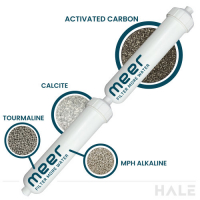
How long should your MEER Water Filter last?
How much water do you consume? What impurity concentration do you have? And so many other considered variables... We cannot give you an absolute answer because water profiles vary between zip codes, seasons and from year-to-year. If you were to compare our filters with another comparable size & structure, you will find our water filters realistically last 2-3 times longer because of our premium filtration media. This equates to years and thousands of gallons cleaned.
Our philosophy is to foster a strong, holistic association between the vital biological benefits of clean water and the critical importance of preventing the damage dirty water causes to homes and businesses plumbing and support equipment.
 412-848-5058 |
 Located in Pittsburgh, PA

